European Women's Wrestling: Historical Trajectory
The rise of female wrestling in Europe began in the late 19th and early 20th centuries but accelerated only after World War II, when organized clubs and national federations expanded opportunities for women. Early pioneers combined regional folk grappling traditions with modern freestyle rules to create the foundation for international competition. By the 1980s and 1990s, formal continental tournaments and youth programs produced the first generation of champions who would shape the sport into the 21st century.
Early pioneers, competitions, and Nordic roots
Scandinavia and the British Isles produced several of the sport’s earliest advocates. Informal women’s matches in the 1920s and 1930s transitioned into club competitions by the 1970s. Sweden and Finland invested in female wrestling at the club level, while the United Kingdom supported university and community programs that nurtured technical foundations. These early environments emphasized stamina, takedowns from stand-up, and efficient par terre transitions. The combination of club ladders and local championships created the first widely recognized European names and set the stage for continental championships that followed.
Soviet and Eastern European institutional dominance
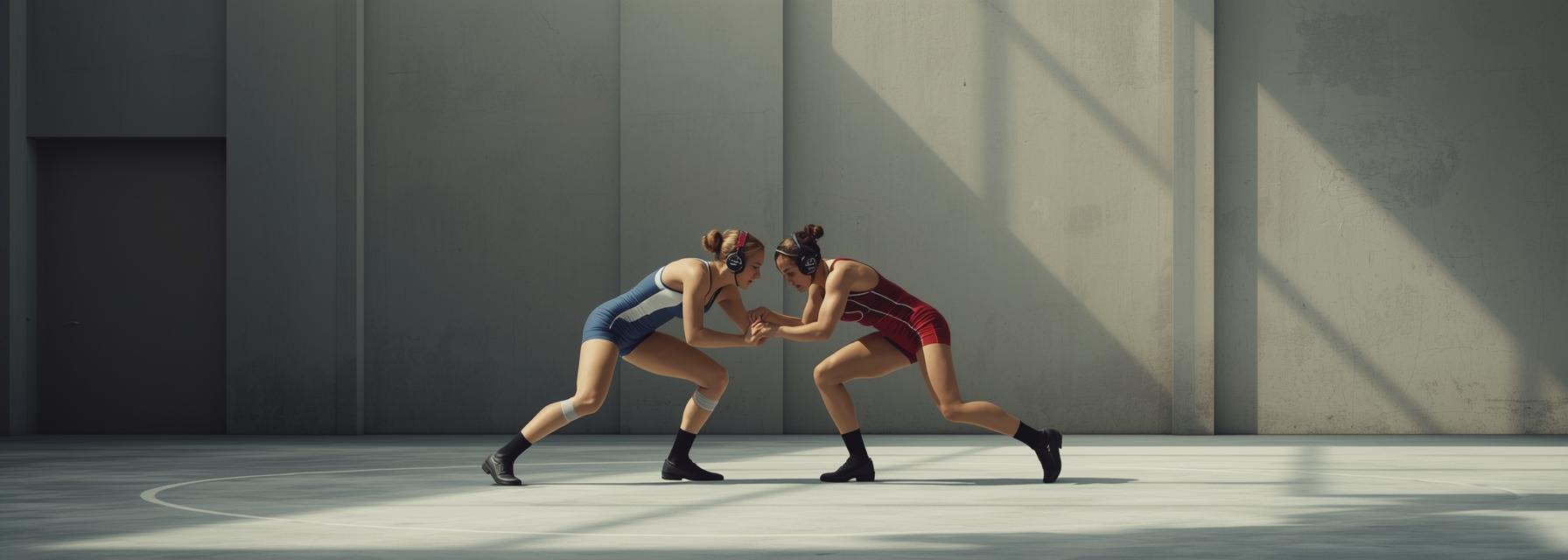
From the 1970s through the early 2000s, the Soviet Union and later its successor states built state-sponsored talent pipelines that prioritized early talent identification, year-round conditioning, and centralized coaching. National sports schools in Russia, Ukraine, Georgia, and the Caucasus republics provided structured curricula that blended freestyle technique with intensive strength and wrestling IQ development. That environment produced multiple world champions and Olympic medalists and established a technical template: explosive single-leg entries, low ankle attacks, and dominance in par terre defense. Institutional support included monthly national training camps, funded travel to international junior events, and systematic coach education.
Western Europe and Germany’s contribution
Germany became a hub for women’s wrestling in Central Europe. German clubs such as AC Ückerath and KSV Köllerbach developed cadet and junior pipelines that produced national-level athletes and hosted international tournaments. France, Italy, Spain, and the Nordic countries contributed stylistic variation: French emphasis on upper-body control and creative throws, Italy’s balance of classical wrestling form with freestyle innovation, Spain’s expanding grassroots programs, and the Nordics’ technical precision. Combined, Western Europe diversified tactical approaches and expanded opportunities for cadets transitioning to senior ranks.
Olympic and World champions from Europe

European athletes have captured numerous Olympic and World medals, with standout figures shaping eras. The following highlights prominent European names, their nations, and signature achievements that influenced coaching and scouting across the continent.
| Athlete | Country | Notable achievements and influence |
|---|---|---|
| Iryna Merleni | Ukraine | Olympic gold medalist (Athens 2004); multiple world medallist; set tactical standards at lower weights with quick snap-downs and counter-attacks |
| Natalia Vorobieva | Russia | Olympic gold medalist (London 2012); renowned for upper-body control, clinch work, and longevity at elite level |
| Mariya Stadnik | Azerbaijan/Ukraine origin | Multiple Olympic medallist and long-term World and European podium presence; model of weight-class consistency and technical adaptation |
| Sofia Mattsson | Sweden | Multiple-time world and European medallist; key figure in Scandinavian coaching exchanges and junior development |
| Kaori? (non-European names excluded) | — | — |
The last row illustrates that the focus remains on European figures; this table is selective and highlights the direct influence of these athletes on training concepts, youth coaching, and continental rivalry.
Continental championships, rivalries, and memorable battles

European Championships have been the crucible for shifting power. In the 1990s, Eastern European technical systems produced repeated podium sweeps. The 2000s saw Western nations close the gap through improved youth academies. Memorable weight-class battles often featured contrasting styles: Caucasus power vs. Nordic technique, and tactical patience from Western European athletes countering explosive Eastern entries. These rivalries informed selection policies and weight-class strategies across federations.
Grand Prix Ringen — Dormagen and developmental impact
The Grand Prix in Dormagen serves as one of Germany’s premier international tournaments for women and cadets. Held annually with strong participation from neighboring federations, Dormagen provides early international exposure for cadets and a competitive testing ground for seniors ahead of European Championships. Past editions have featured finals where rising cadets pushed established seniors, creating accelerated learning opportunities. The event’s structure emphasizes match volume, giving coaches measurable data on conditioning, match-tempo management, and tactical reactions under refereeing styles common in European competition.
Technical trends, coaching, and club ecosystems
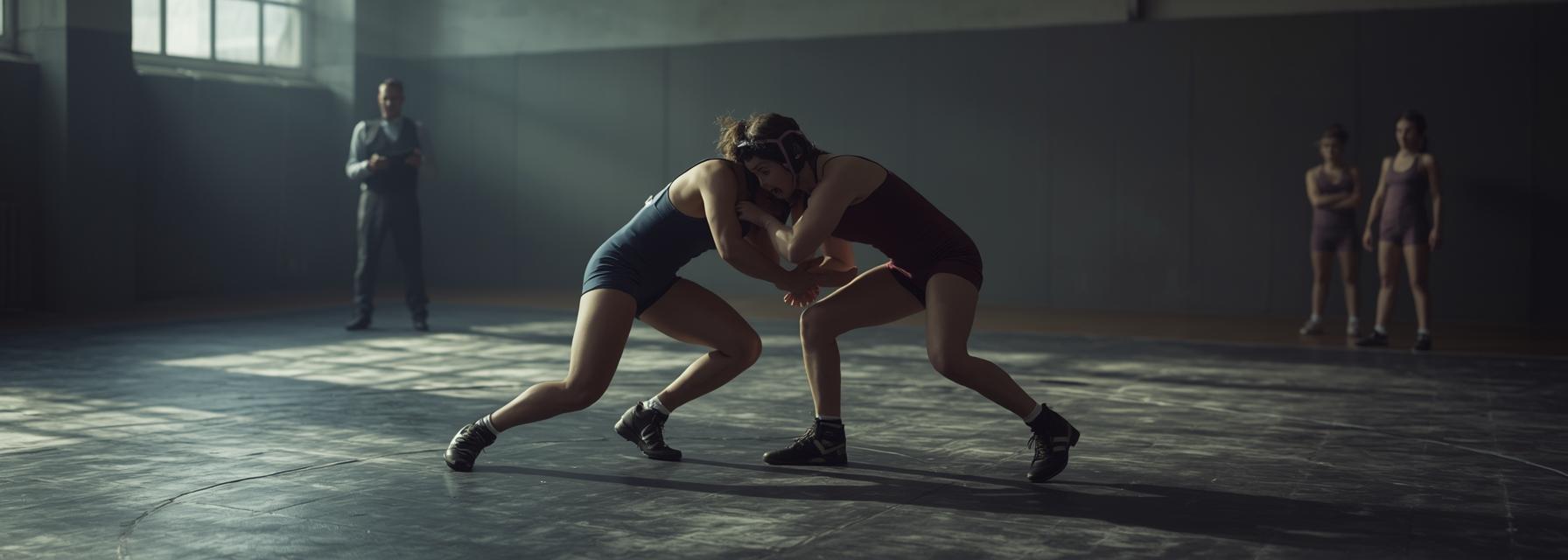
Technical evolution across Europe reflects a blend of tradition and innovation. Current trends emphasize chain wrestling, quick level changes, and par terre creativity influenced by international rule adjustments. Influential coaches in Russia, Ukraine, Sweden, and Germany have emphasized individualized programs that integrate video analysis, sport science, and periodized conditioning. Clubs remain fundamental: regional training centers feed national programs, with many champions traced back to robust club systems that offered multi-year mentorship, cross-training, and competitive calendars rich in cadet and junior tournaments.
A short bulleted overview of recurring coaching priorities:
- Early balance and positional drilling for cadets to reduce injury risk and accelerate technical growth.
- Cross-border training camps to expose athletes to contrasting styles and refereeing.
- Data-driven recovery and weight management to maximize competition longevity.
Cadet transitions, current contenders, and public profile
Cadet success at Dormagen often predicts junior and senior breakthroughs when accompanied by sustained national support. Transition pathways combine national championships, international cadet tours, and inclusion in senior camps. Contemporary European contenders include established senior medallists and a younger cohort making World and continental rosters. Media coverage of Dormagen has increased through federation streaming and local broadcasting; sponsorship remains concentrated among equipment manufacturers, regional sport ministries, and local clubs. Institutional recognition has expanded, with federations awarding national honors for Olympic and World medallists and promoting female wrestlers as role models for gender equity in sport.
European women’s wrestling continues to evolve through sustained club systems, targeted national investment, and events like the Dormagen Grand Prix that bridge cadet development and elite competition. The combination of historical depth, diverse technical schools, and modern coaching science positions Europe to remain a central force in global women’s wrestling for years to come.